The Canine Professional, LIVE — 9 September 2026Register your free place →

    Immersion

    Practical Dog Trainer Course for Trainers & Behaviourists

    Five days of hands-on training with your own dog.

    Plan behaviours. Train. Review your work. Get coached. Make changes. Train again.

    Immersion is designed to develop the practical skills that are difficult to build through theory alone.

    First UK Immersion

    23 to 27 November 2026

    Eye to Eye Dogs
    Clevedon, Bristol, UK

    Taught by Nando Brown and Dean Nicholas — School of Canine Science

    Register your interest

    Registering does not commit you to booking. You'll receive more information and get first access when places open.

    Why Immersion?

    You can understand learning theory, behaviour and training systems and still need more time actually training dogs.

    Knowing how dog training works and being good at physically doing it are different skills.

    Timing needs practice.

    Reinforcement mechanics need practice.

    Setting criteria needs practice.

    Observation needs practice.

    Problem solving definitely needs practice.

    And sometimes the dog does something that makes your beautifully written training plan completely irrelevant.

    Immersion gives you time to work through that.

    You will plan behaviours, train your dog, review what happened, receive coaching, make decisions and go back into the next session with a clearer plan.

    The aim is simple.

    Become better at the actual job of training dogs.

    "Totally awesome course for ANYONE wanting to up level their training. I loved it If you take you role as a trainer seriously, progressing your theory and practical skill level with these guys will be invaluable to you"
    Christina Cass

    Who is Immersion for?

    Immersion is designed for professional dog trainers, behaviourists and people actively working towards professional practice.

    It will be particularly useful if you:

    • Have plenty of theoretical knowledge but want more practical experience.
    • Want stronger timing and reinforcement mechanics.
    • Want to become more systematic when planning training.
    • Want better feedback on what you actually do when you train.
    • Are confident training your own dog but want to know how transferable those skills really are.
    • Want more experience coaching people as well as dogs.

    This is not a basic pet-dog class.

    You do not need decades of professional experience, but the course is designed around developing professional training skills.

    Phase One

    5-Day Practical Dog Trainer Immersion

    Everyone starts here.

    You bring your own dog and spend five days developing the foundation skills that will be used throughout the rest of Immersion.

    This is not five days of sitting in a classroom talking about training.

    You will train.

    You will also plan, observe, film, review, coach, make mistakes, change things and train again.
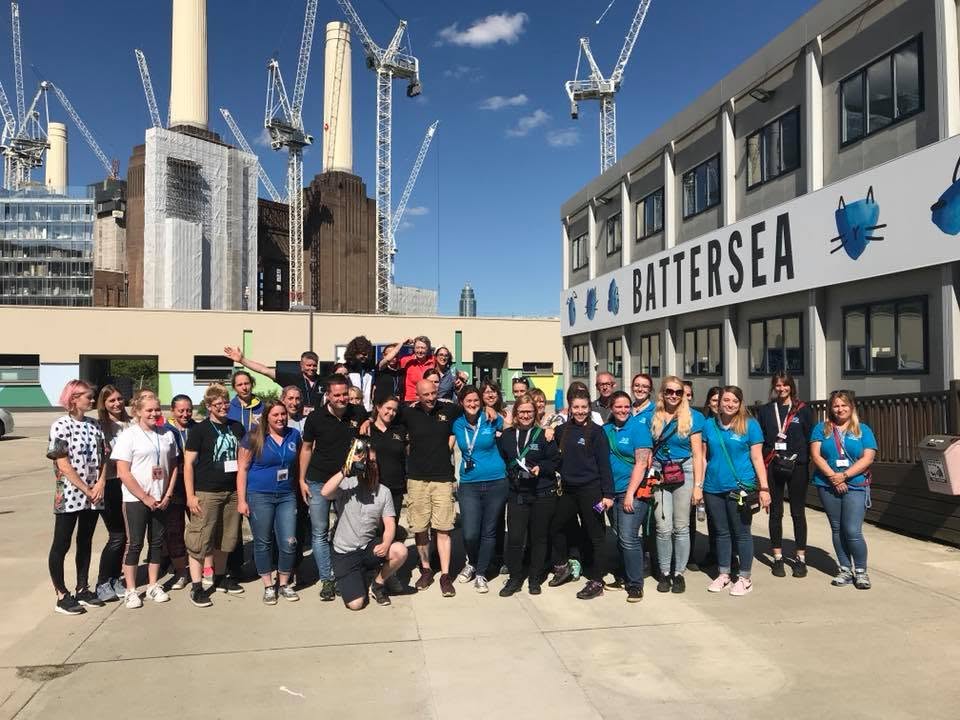
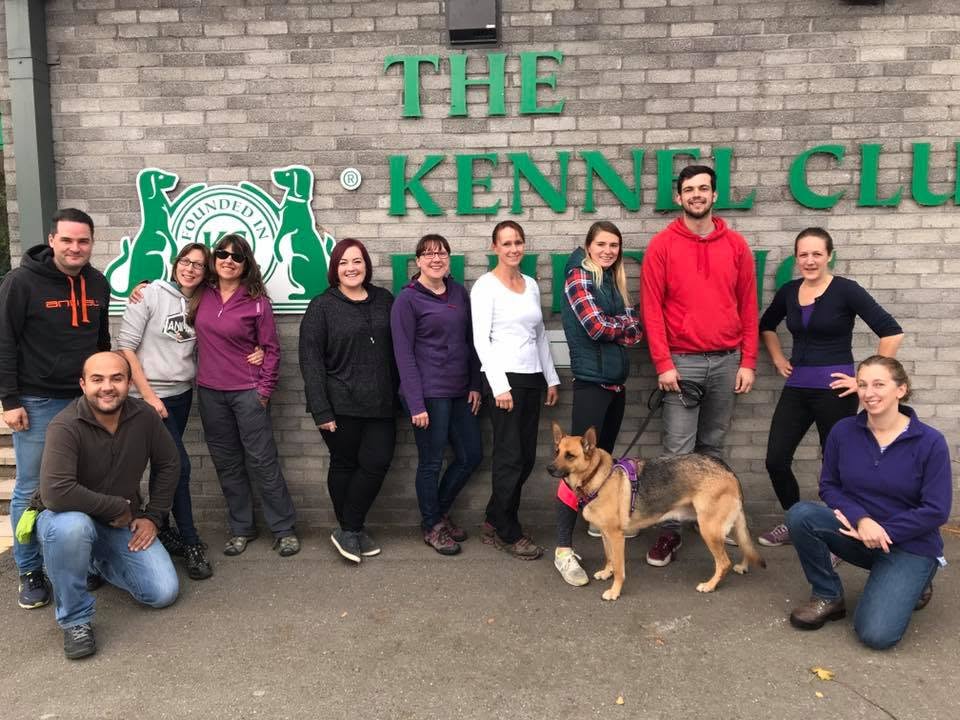
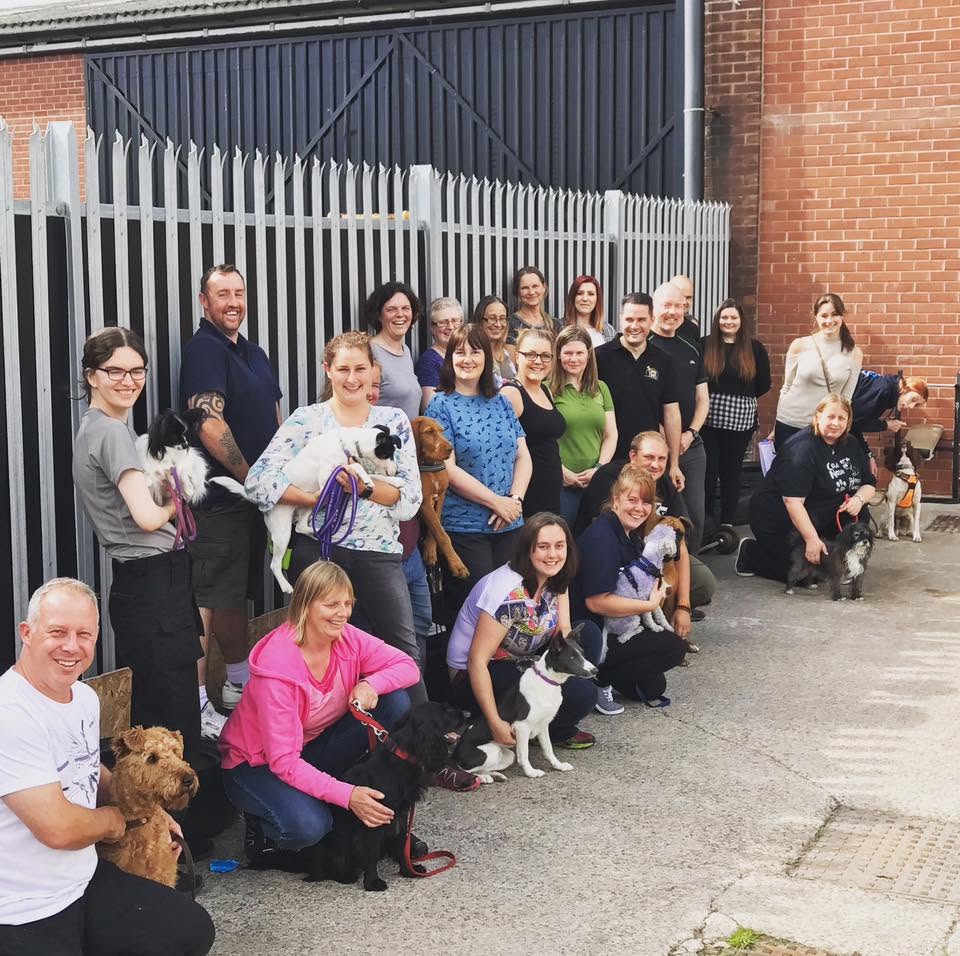
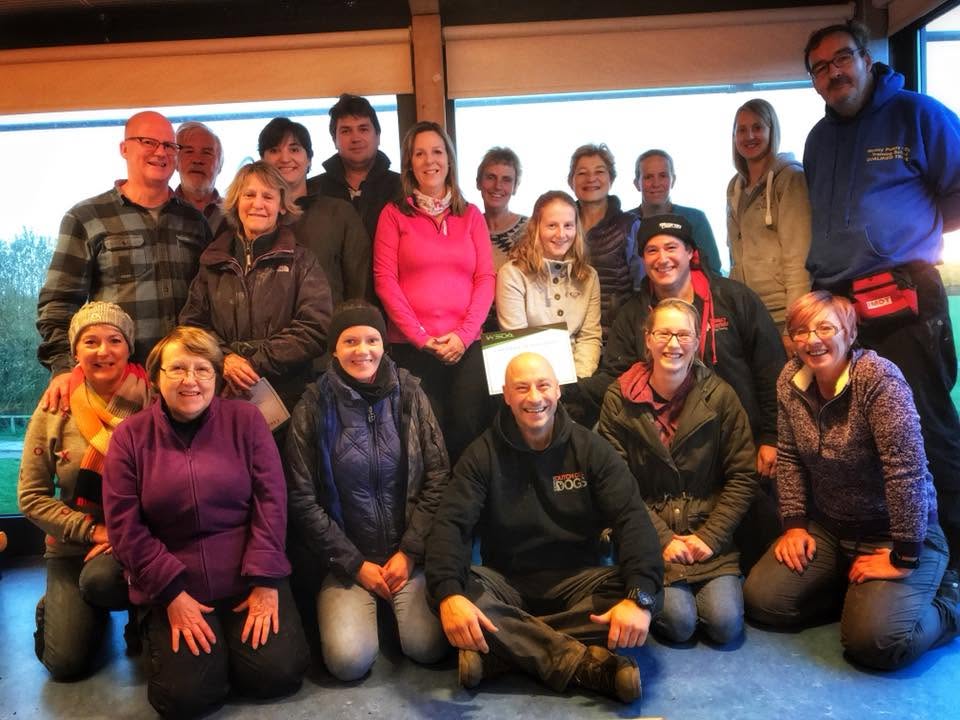
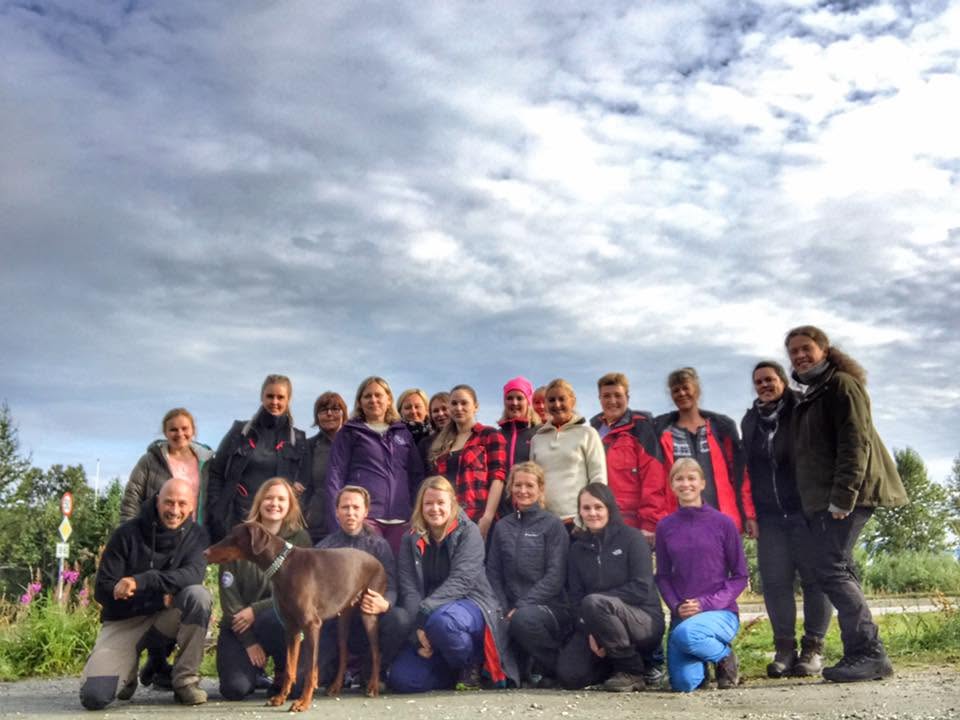
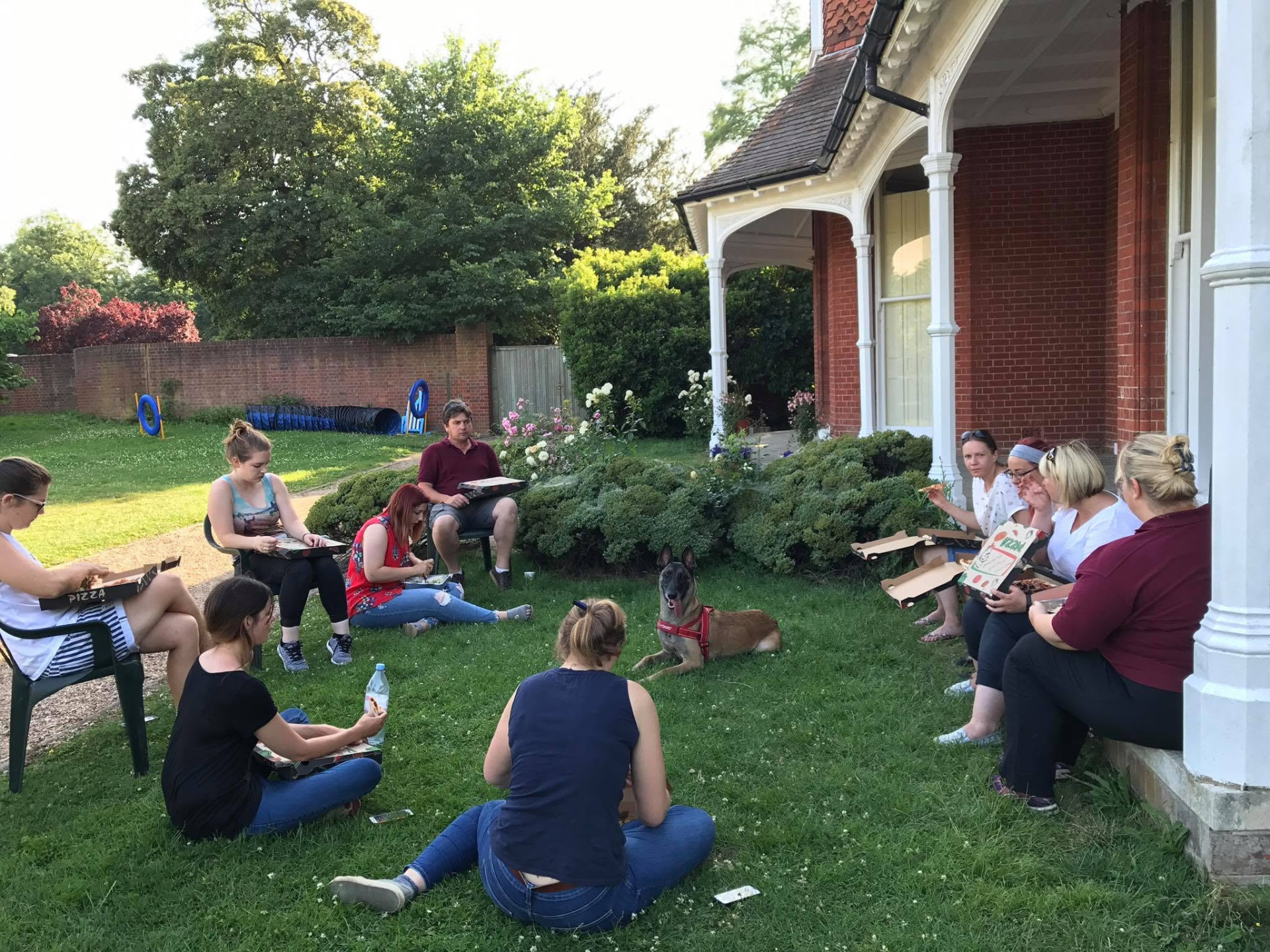
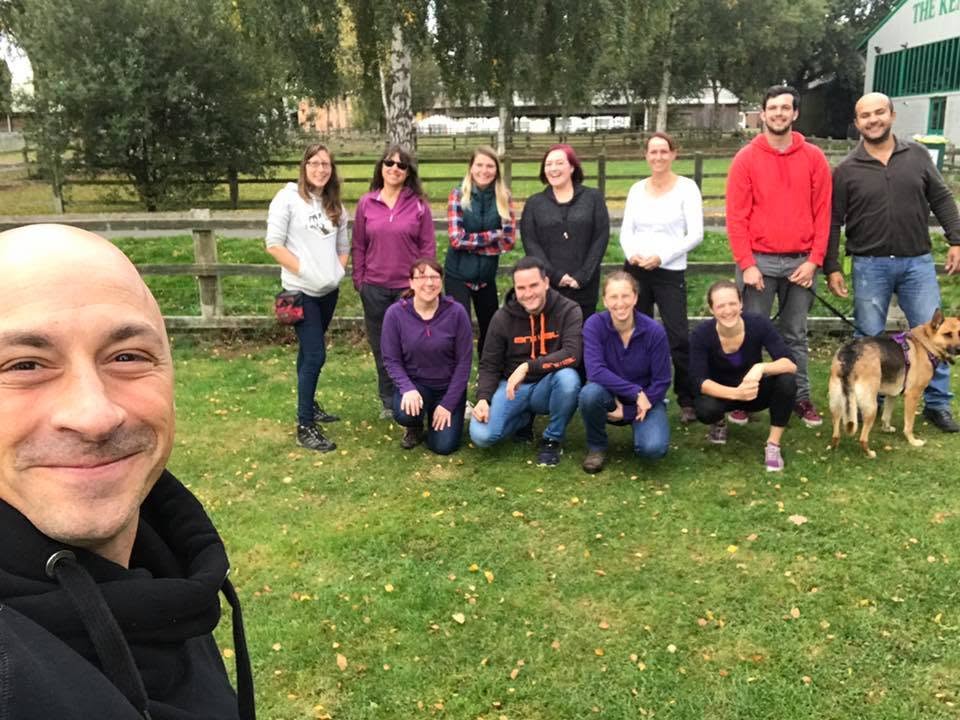
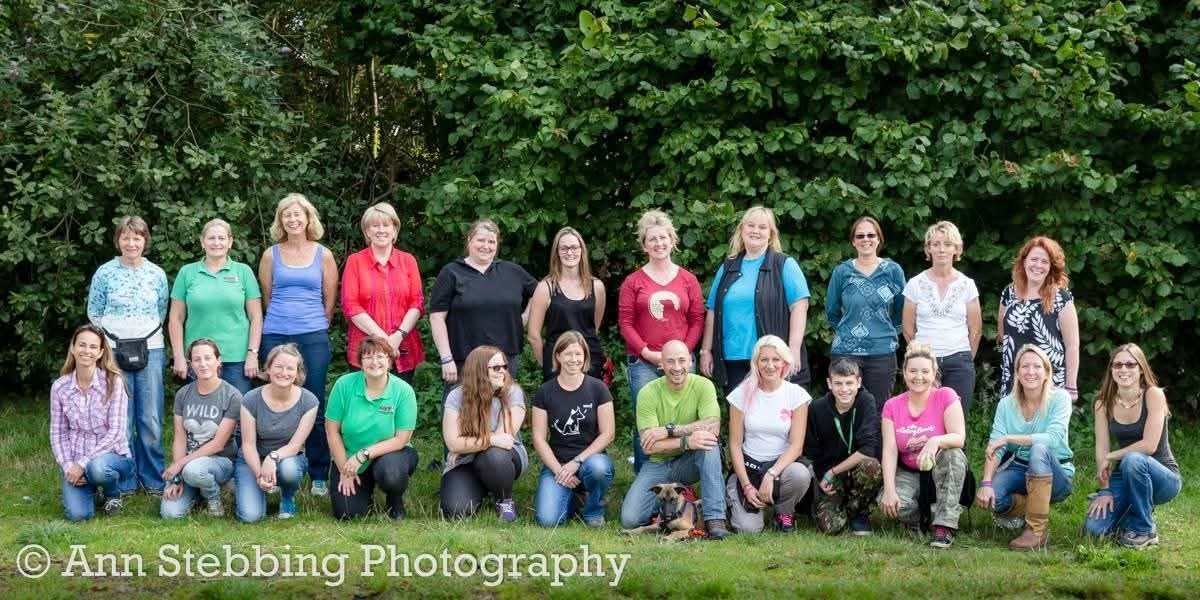
    Course group outside Battersea Dogs and Cats HomeCourse group with a German Shepherd outside The Kennel Club buildingCourse group with their dogs at a practical training venueCourse group holding a certificate after a practical training dayCourse group with a Doberman on a practical training weekendCourse attendees and a Malinois taking a break in the grounds of a training venue
    Past Immersion and practical course groups

    The Training Loop

    A large part of Immersion comes back to the same process:

    1. 01What am I trying to train?
    2. 02What is my current criterion?
    3. 03What actually happened?
    4. 04Should I make it harder, stay where I am or make it easier?
    5. 05What am I changing next?

    Then you test your decision.

    The objective is to move away from guessing and towards training deliberately.

    Practical Training Mechanics

    You will work on the physical skills involved in training.

    That includes:

    • Luring and fading lures
    • Shaping
    • Capturing
    • Targeting
    • Marker timing
    • Reinforcement placement
    • Rate of reinforcement
    • Building clean repetitions

    Small differences matter.

    Where you stand matters.

    When you mark matters.

    Where reinforcement arrives matters.

    What you do immediately after reinforcement matters.

    Immersion gives you the repetitions and feedback to start seeing those details more clearly.

    Planning Behaviour

    Before you train something well, you need to know what you are actually trying to produce.

    You will practise taking a finished behaviour and breaking it into trainable criteria.

    We will use systems including:

    • SPLIT
    • Push, Drop, Stick
    • Three in a Row
    • Distance, duration and distraction

    The aim is not to memorise another training formula.

    It is to become better at making decisions while the training is happening.

    Communication

    There is no compulsory marker system that everybody must use.

    Instead, we will look at different ways trainers communicate with dogs and what those systems actually do.

    That can include:

    • Clickers
    • Verbal markers
    • Release cues
    • Single-marker systems
    • Multiple-marker systems
    • Binary feedback
    • Accidental body cues
    • The effects of trainer movement and emotion

    The aim is to understand what information you are giving the dog, deliberately or accidentally.

    Reinforcement and Play

    Good training depends on more than having food in your pocket.

    You will work on:

    • Food mechanics
    • Reinforcement placement
    • Tug
    • Two-toy play
    • Engagement
    • Switching between reinforcers
    • Changing arousal through reinforcement
    • Finding effective reinforcers for the individual dog

    Most importantly, you will practise finding out what actually works for the dog in front of you rather than deciding in advance what should be reinforcing.

    What will you train?

    Exercises may include:

    • Loose-lead walking
    • Recall
    • Muzzle training
    • Sit and down
    • Targeting
    • Cooperative-care behaviours
    • Tricks
    • Scent and discrimination exercises

    These behaviours are the training ground.

    The real objective is improving the trainer.

    Observation Before Intervention

    Before changing behaviour, you need to see what is actually happening.

    You will work on:

    • Establishing baselines
    • Engagement and disengagement
    • Changes in arousal
    • Reinforcement preferences
    • Environmental influences
    • Accidental prompts
    • Recognising deteriorating performance
    • Knowing when to stop

    Part of good dog training is knowing when another repetition will help and when it will make things worse.

    Film. Review. Change.

    You will film your training and use My Canine 360 to review what actually happened.

    You can then look back at:

    • Timing
    • Reinforcement placement
    • Criteria
    • Body language
    • Accidental cues
    • Missed information
    • Where the session started to change

    Video has an annoying habit of showing you the difference between what you thought you did and what you actually did.

    That is exactly why we use it.

    At the end of each day, you will come back to four questions:

    What worked?

    What didn't?

    What did your dog teach you?

    What are you changing tomorrow?

    "A great balance of learning theory and practical application that improved my timing, my ability to write training plans, and to split criteria for solid progression. It also reminded me that training doesn't just have to consist of 'obedience', any new behaviour learnt is useful to build engagement, confidence, develop proprioception and physical strength, but most importantly deepen my relationship with my dogs."
    Adrienne Critchlow

    Coaching Humans

    Being able to train a dog yourself is only part of professional dog training.

    You also need to help somebody else do it.

    During Immersion you will practise:

    • Explaining exercises clearly
    • Demonstrating
    • Watching another person train
    • Identifying the most important coaching point
    • Giving useful feedback
    • Coaching without simply taking the dog and doing it yourself

    You will also film a short educational tutorial that can be published through your own social-media channels.

    It gives you practice explaining training clearly on camera while creating something useful for your own dog-training business.

    Your dog will not train all day

    Five days of practical training does not mean five days of constantly working your dog.

    That would be a terrible idea.

    Dogs need rest.

    Training is broken up with:

    • Planning
    • Observation
    • Video analysis
    • Lectures
    • Coaching exercises
    • Practical drills that do not require your dog
    • Rest periods

    Part of becoming a better trainer is recognising when more repetitions will help and when the right decision is to stop.

    First UK Phase One

    23 to 27 November 2026

    Eye to Eye Dogs
    Clevedon, Bristol, UK

    Five days.

    Your own dog.

    Practical training every day.

    Taught by Nando Brown and Dean Nicholas from the School of Canine Science.

    Places will be limited because practical coaching stops being practical coaching if there are too many people in the room.

    Register your interest

    You'll receive more information and get first access when booking opens.

    Registering your interest does not commit you to attending.

    Your Instructors

    Nando Brown and Dean Nicholas

    Phase One in Bristol will be taught by School of Canine Science founders Nando Brown and Dean Nicholas.

    The focus throughout the five days is practical coaching.

    You train.

    We watch.

    We discuss what happened.

    You make changes.

    Then you train again.
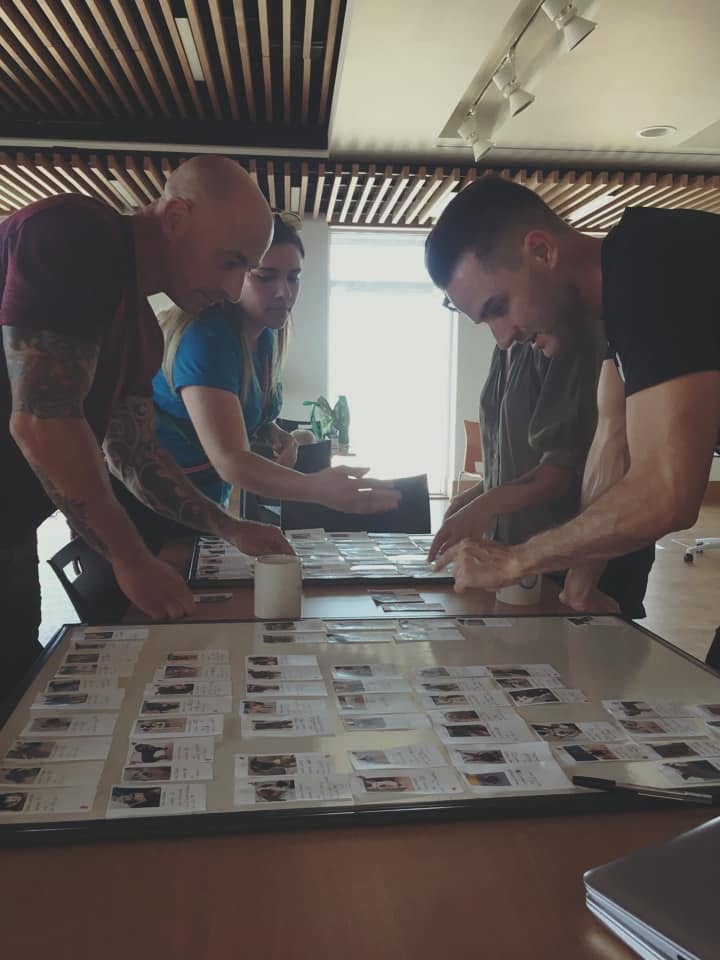
    Nando Brown and Dean Nicholas planning a training session around a table of case notesNando Brown with a course group and a dog on a training field

    The Immersion Pathway

    Immersion does not end after five days.

    Phase One is valuable as a standalone course.

    You do not have to continue.

    But if you want to find out whether the skills you developed with your own dog transfer to dogs you do not know, that is where Phase Two begins.

    Phase One

    5 days

    Your own dog.

    Build the foundations.

    Training mechanics, planning, observation, reinforcement, coaching and self-review.

    Phase Two

    14 days

    Unfamiliar rescue dogs.

    Develop adaptability, precision and problem solving.

    Available only after completing Phase One.

    Phase Three

    Advanced intensive.

    One specialist venue.

    Once per year.

    Very limited numbers.

    Full details come later.

    Phase Two

    14-Day Rescue Dog Immersion

    Your own dog is familiar.

    You know their history.

    You know what they like.

    You know what usually works.

    Phase Two changes that.

    You work with unfamiliar rescue dogs with different:

    • Training histories
    • Motivation
    • Confidence
    • Reinforcement preferences
    • Learning speeds
    • Environmental sensitivities
    • Strengths
    • Training problems

    The training principles remain familiar.

    The dog does not.

    You may begin training a behaviour before handing that dog to another trainer.

    Later, you may inherit somebody else's unfinished training.

    You receive a factual handover, assess what is actually in front of you and decide what should happen next.

    Observe.

    Plan.

    Train.

    Review.

    Adapt.

    Training may include:

    • Loose-lead walking
    • Recall
    • Muzzle training
    • Cooperative veterinary care
    • Scent work
    • Confidence building
    • Stationing
    • Settling
    • Handling
    • Kennel and doorway skills
    • Play
    • Environmental confidence
    • Habituation
    • Desensitisation
    • Counterconditioning

    The exact training depends on the dogs and the needs of the rescue organisation.

    Phase Two is where we start asking a much more important question than:

    “What technique should I use?”

    We want you asking:

    “What is happening with this dog, and what should I change?”

    Not sure where Immersion fits into your development?

    There is no single perfect route into professional dog training.

    If you are thinking more broadly about your education, practical experience and how to build genuine competence, read:

    How to Become a Good Dog Trainer

    Then come back when you are ready to get your hands dirty.

    FAQ

    Next Phase One

    Next Phase One

    23 to 27 November 2026

    Eye to Eye Dogs
    Clevedon, Bristol, UK

    Taught by Nando Brown and Dean Nicholas.

    Bring your dog.

    Train for five days.

    Find the holes in your training.

    Then work on them.

    Register your interest

    Registering does not commit you to booking.

    You'll receive more information and get first access when places open.

    You'll receive more information about the Bristol Immersion and get first access when booking opens. Registering does not commit you to booking.

    Could Immersion come to your venue?

    Bristol is the first confirmed Phase One, but it will not be the last.

    We are looking at future Immersion locations in the UK and internationally.

    If you run a dog-training venue, facility or organisation and think your location could work for a future Immersion, drop us a message.

    Email us about your venue